

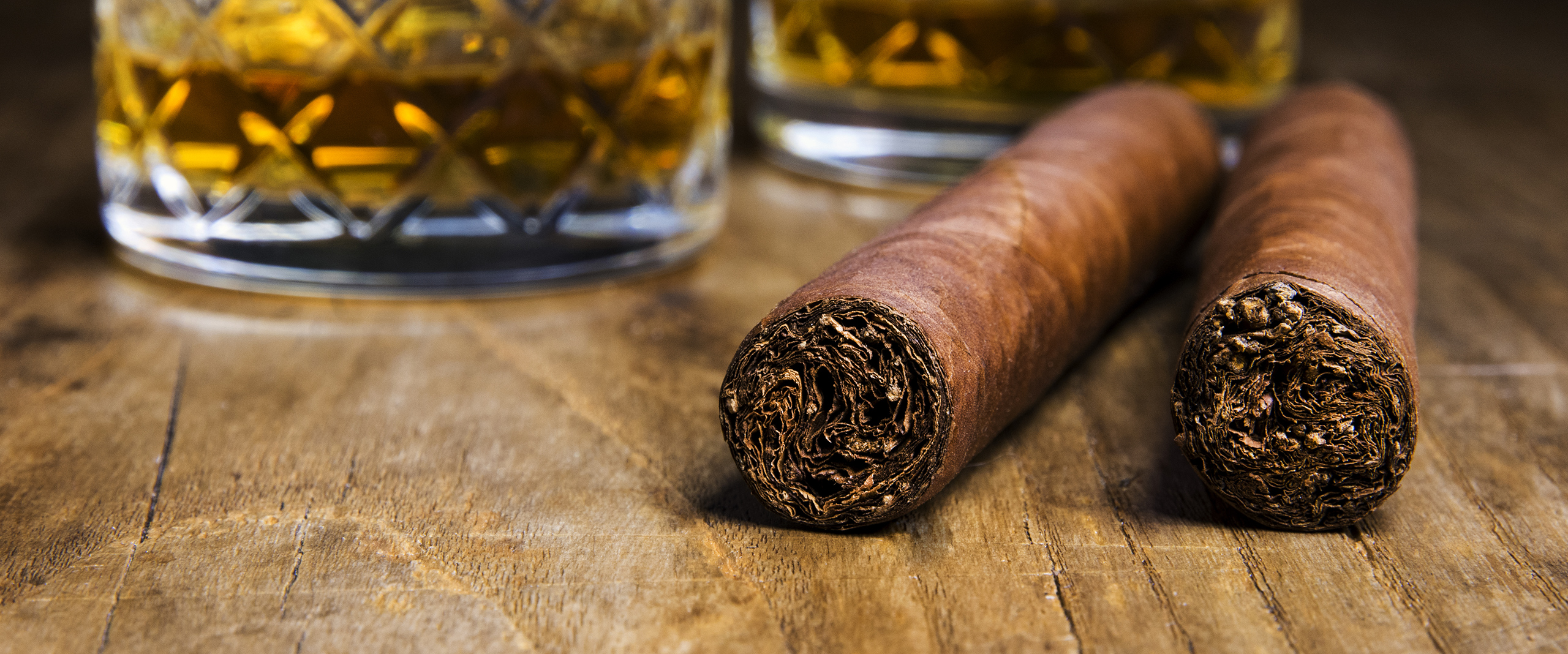
The cigar is much more than a simple cylinder of rolled tobacco leaves: it is a work of art, a symbol of luxury, and a display of artisanal skill. In this article we will explore the fascinating history of the cigar, reveal some interesting curiosities, and share tips on how to best appreciate this fine product. Manifattura Mediterranea, an Italian company dedicated to the cultivation and processing of tobacco, is an authoritative source for this exploration into the world of cigars.
Composition of the Cigar
The cigar is a complex symphony of tobacco leaves, each playing a specific role in creating this smoking experience. The tripa, the heart of the cigar, consists of whole tobacco leaves or cut filler, while the capote wraps the tripa and gives it its distinctive shape. The capa is the final leaf, sealed to the cigar with a drop of vegetable resin, called capa, which does not alter the taste of the tobacco. Contrary to popular belief, the color of the capa does not determine the strength of the cigar; this is an outdated convention.
The strength of the cigar depends on the blend of tobacco from different parts of the plant: the ligero, the seco, and the volado. Ligero, from the upper leaves, gives strength; seco, from the middle leaves, adds flavor; volado, from the lower leaves, improves combustibility. Tobacco for cigars is grown in various countries, including Brazil, Cameroon, Cuba, the Dominican Republic, Honduras, Indonesia, Mexico, Nicaragua, and the United States of America.
History of the Cigar
The roots of the cigar run deep in the Americas, discovered by the first Europeans in Santo Domingo and the Caribbean archipelago.
The tobacco used for cigars is grown in ideal climates in many parts of the world, although Cuban cigars have a legendary reputation, thanks to the unique microclimate of Vuelta Abajo (Cuba) and the skill of their makers. After the Cuban Revolution of 1959, many factories were nationalized, leading experts to emigrate to other countries such as the Dominican Republic, Nicaragua, and Honduras. Cuba is still considered a place of excellence for cigars, despite strong competition.
In Europe as well, the Netherlands, Germany, and Italy produce high-quality cigars, in particular the famous Toscano cigars.
Cigar Production
The production of cigars is an artisanal process requiring skill and patience. After harvest, the tobacco leaves are dried and aged to improve quality. This stage can last from six months to more than two years, especially for prestigious Cuban cigars. In production factories, expert artisans known as torcedores handcraft the cigars.
Technique is crucial to maintaining the brand’s identity, as well as ensuring the correct proportion among the different types of leaves. A well-constructed cigar is essential for a high-quality smoke.
Cigar Packaging
Cigar packaging is essential for their preservation. There are various options, including tubes, cardboard or plastic packs, and wooden boxes. Cabinet boxes, which contain loose cigars tied with ribbons, are becoming increasingly popular. Smaller boxes of 5 or 10 cigars are also available to make purchases more accessible.
Storage
Proper storage is essential to preserving the quality of cigars. Humidity and temperature are two key factors. The relative humidity should be kept between 65% and 72%, while the ideal temperature is between 16 and 20°C. Too much humidity can cause the capa to crack, while too much dryness can cause cigars to lose their aromas.
Cigar Tasting
Cigar tasting is an art. Before lighting it, observe the cigar and smell the capa to capture its aromas. Use a punch cutter to prepare the cigar. Light it carefully, making sure the ignition is even. Enjoy the cigar slowly, sipping the smoke and experiencing the complex flavors that develop.

Much More Than Tobacco
The cigar is much more than just a tobacco product: it is a work of art, a symbol of luxury, and a source of pleasure for connoisseurs. This article offers an overview of the history, curiosities, and tasting of cigars, providing a solid foundation for enthusiasts and those who wish to explore the fascinating world of this refined product. Manifattura Mediterranea remains a point of reference for cigar lovers in Italy, promoting the culture and craftsmanship of tobacco in the country.